
- Best Doctor of Business Administration Degrees for Working Professionals
- Data Science Courses for Beginners: Your Complete Guide to Launching a Career in Data Science
- Product Management Courses: The Best Way to Build Strategic Product Leadership Skills in 2026
- Cognitive bias in interactive framework design
- Architettura grandiosa dedicata al periodo disponibile in Italia
- Google Cloud Next 2026: Complete Guide for Developers, IT Leaders, and Tech Innovators
- Investing in Premium Baby Pajamas for Better Infant Sleep
- Choosing Daycare Nap Pajamas for Stress-Free School Transitions

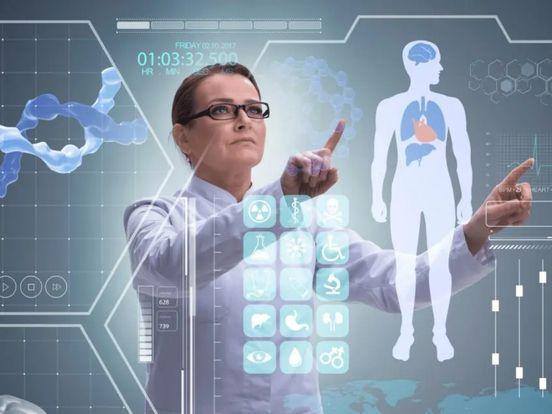
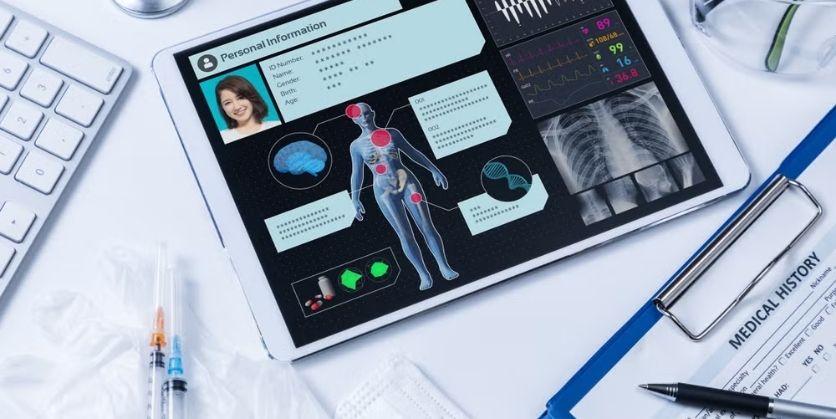
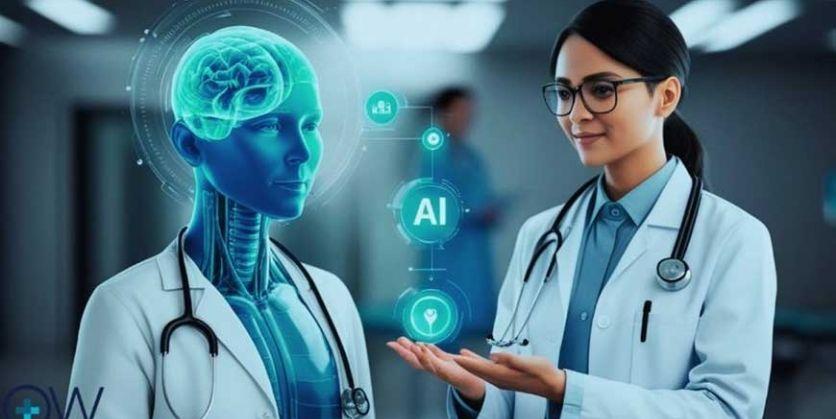
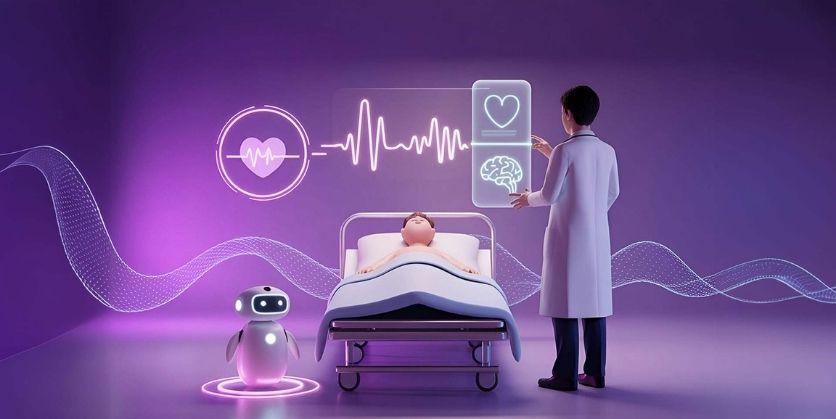
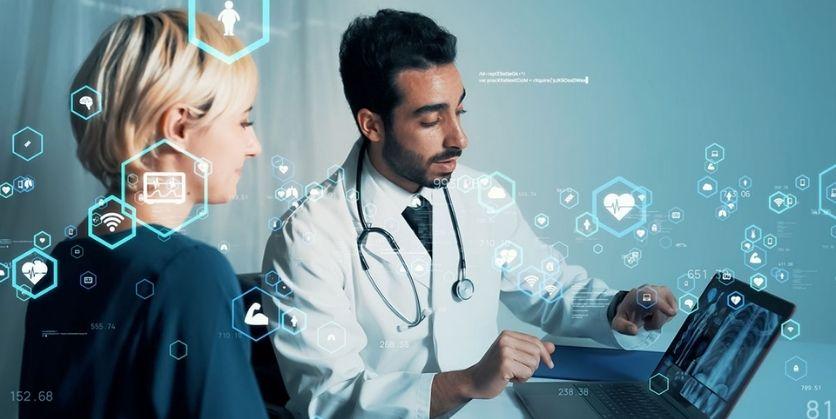
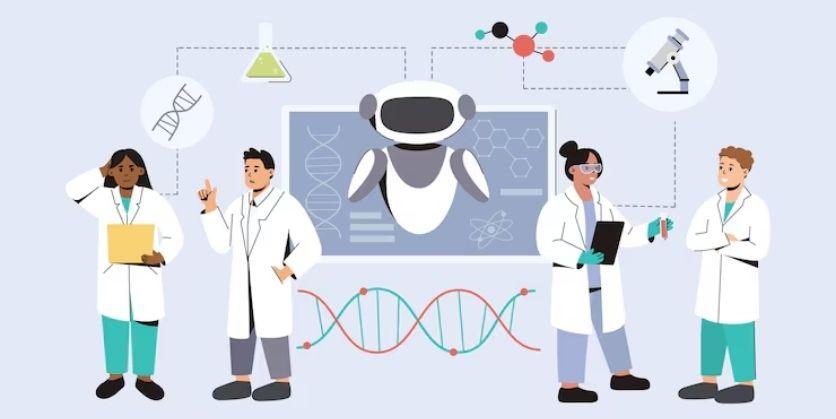
Artificial intelligence is reshaping healthcare by improving diagnostics, automating administrative processes, enhancing patient care, and accelerating medical research. These courses explore the use of AI in healthcare applications such as electronic health records (EHR), clinical decision support, medical imaging, genomic analysis, healthcare workflow automation, and generative AI-powered medical assistants.
01
This course introduces the application of generative AI technologies in healthcare environments. Learners explore how AI can assist with clinical documentation, patient communication, medical research, and healthcare operations. The curriculum focuses on practical use cases while highlighting opportunities and challenges associated with AI adoption in healthcare systems.
Key Learning Outcomes:
- Understand generative AI applications in healthcare
- Explore AI-assisted clinical documentation workflows
- Improve healthcare communication and efficiency
- Evaluate AI opportunities and implementation challenges
02
This course focuses on using AI to optimize electronic health records and healthcare data management systems. Students learn strategies for improving data quality, streamlining workflows, and extracting actionable insights from clinical information. The course emphasizes efficient handling of healthcare data while supporting better decision-making.
Key Learning Outcomes:
- Manage healthcare data using AI technologies
- Improve electronic health record workflows
- Enhance data accuracy and accessibility
- Generate insights from clinical information systems
03
This course explores how AI can improve both clinical and administrative healthcare operations. Learners examine automation solutions for scheduling, patient management, documentation, and operational processes. The curriculum demonstrates how AI can reduce manual effort and increase efficiency across healthcare organizations.
Key Learning Outcomes:
- Automate healthcare administrative processes
- Streamline clinical workflow management
- Improve operational efficiency with AI tools
- Reduce repetitive tasks through intelligent automation
04
This certification course provides a broad overview of artificial intelligence applications across the healthcare industry. Students learn about AI-driven diagnostics, patient care improvements, healthcare analytics, and emerging technologies shaping the future of medicine. The course is suitable for healthcare professionals and technology enthusiasts alike.
Key Learning Outcomes:
- Understand core AI concepts in healthcare
- Explore AI-powered diagnostic technologies
- Analyze healthcare innovation trends
- Assess the impact of AI on patient outcomes
05
This course examines the use of GPT-based AI systems for clinical support and genomic data analysis. Learners discover how AI can assist healthcare professionals in interpreting medical information, managing patient data, and supporting precision medicine initiatives. The course bridges modern AI technologies with advanced healthcare applications.
Key Learning Outcomes:
- Utilize GPT-based tools in healthcare settings
- Explore AI-assisted genomic data analysis
- Support clinical decision-making processes
- Understand applications of precision medicine technologies
06
This beginner-friendly course explains healthcare AI concepts in an accessible and practical manner. Students learn how AI is being used to improve diagnostics, patient engagement, healthcare administration, and medical research. The course provides a clear overview of current technologies and future developments without requiring a technical background.
Key Learning Outcomes:
- Understand healthcare AI fundamentals
- Identify real-world healthcare AI applications
- Explore AI-driven improvements in patient care
- Recognize future trends in medical technology